How to Select the Best Electrical Contractor for Your Home Requirements
Choosing the best electrician for residential needs is a crucial choice. Most homeowners miss key aspects, leading to significant missteps. It's essential to take into account reputation, credentials, and experience. Knowing what to look for can significantly affect the outcome of a review this content job. Homeowners should also be knowledgeable about important questions to ask during meetings. With careful planning, the undertaking can lead to a successful partnership. What steps can ensure this selection is the correct one?
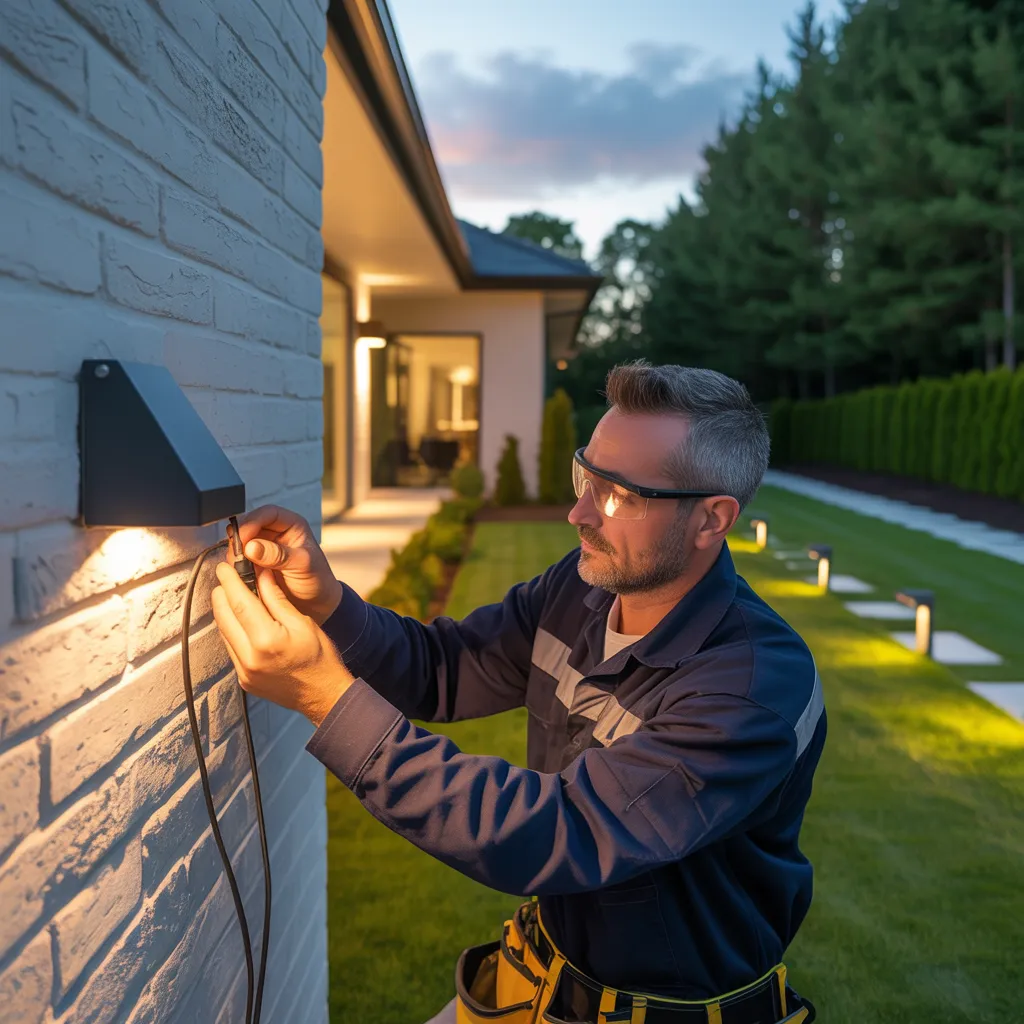
Typical Mistakes to Avoid When Hiring an Electrical Contractor
When choosing an electrical contractor, how can individuals prevent frequent errors? Many individuals overlook the importance of checking credentials, which may result in employing unqualified workers. Failing to verify licenses and insurance may result in liability issues if accidents occur during the project. Furthermore, failing to consult reviews or request referrals may lead to selecting a contractor with an unsatisfactory history.
A further typical mistake concerns not obtaining multiple quotes. Settling for one estimate can cause you to overpay or receive poor-quality work. Moreover, people frequently overlook the importance of clear communication. Vague project details can cause miscommunications and surprise charges. Lastly, the absence of a written agreement is a serious mistake; it benefits both parties and ensures clarity from the start. By steering clear of these errors, homeowners can ensure a smoother and more rewarding experience when working with an electrical contractor.
What Should You Look for in an Electrical Contractor?
What key qualities define a reliable electrical contractor? First and foremost, a solid reputation is crucial. Contractors backed by strong customer feedback and referrals showcase their trustworthiness and high-quality results. Furthermore, proper licensing and insurance play a significant role; they provide essential protection for both the homeowner and the contractor should accidents or disputes arise.
Clear communication skills are also a vital factor, guaranteeing that the contractor comprehends all project details and maintains open communication with the homeowner at every stage. Furthermore, an unwavering focus on safety should be apparent, with adherence to local codes and regulations.
Ultimately, pricing transparency is vital; a reputable contractor delivers honest estimates free of concealed costs. By emphasizing these critical factors—reputation, licensing, communication, safety, and transparency—homeowners are able to make well-informed selections when hiring an electrical contractor, which ultimately ensures a successful project and lasting peace of mind.
What Amount of Experience Should Your Contractor Have for Your Project?
Experience plays a significant role in determining the suitability of an electrical contractor for a specific project. A contractor with extensive experience is often well-prepared to address the many obstacles that can occur during the job. For basic work such as fitting fixtures or outlets, a contractor with several years of experience may suffice. However, for larger and more involved projects, such as rewiring a residence or implementing smart technology, a contractor with a solid track record, optimally five to ten years, is recommended.
Moreover, the kind of project influences the necessary experience. Complex projects, like commercial electrical work or green energy setups, demand contractors with relevant expertise. Homeowners should also consider whether the contractor has experience with comparable residential projects. At the end of the day, evaluating a contractor's experience confirms that they possess the competencies and understanding necessary to deliver quality results, thereby boosting overall safety and performance in electrical work.
Checking Your Electrical Contractor's Credentials and Coverage?
Prior to hiring an electrical contractor, validating their license and insurance is vital for securing both safety and compliance with local safety regulations. A valid license confirms that the contractor has fulfilled defined training and qualification requirements set forth by state or local authorities. This not only guarantees quality workmanship but also protects the homeowner from potential liabilities.
Furthermore, verifying that the contractor holds sufficient insurance, including general liability and worker's compensation, is essential. This coverage protects homeowners against financial liabilities stemming from accidents or damages that may occur during the job.
Homeowners ought to request copies of the licensing and insurance paperwork, verifying that they are current and legitimate. It is also advisable to check for any complaints or disciplinary actions against the contractor via local licensing boards. By thoroughly verifying these credentials, homeowners can make well-informed decisions and protect their investment in electrical work.
Key Questions to Discuss During Your Contractor Consultation?
Knowing the right questions to ask during a consultation with a contractor can significantly influence the outcome of an electrical project. It is important for homeowners to ask about the contractor's expertise with related projects to evaluate their skill level. Requesting references can shed light on past performance and client satisfaction. It is vital to discuss the timeline for the project, making sure that both parties have matching expectations. It is also advisable to clarify the scope of work, including particular tasks and the materials involved. Moreover, knowing the payment terms is essential; inquiring about upfront deposits and payment schedules can reduce the risk of disagreements. Inquiring about warranties on both labor and materials can offer reassurance. To conclude, discussing safety protocols and compliance with local codes confirms that the project complies with required standards, ensuring the safety of the home and its residents. Such questions establish the foundation for a productive relationship with the electrical contractor.
Strategies for Negotiating With Your Electrical Contractor
Negotiating with an electrical contractor demands a thorough understanding of the scope of the project to eliminate potential miscommunications. Clear and open pricing is critical for building mutual trust and confirming that both sides are on the same page regarding expenses. Furthermore, establishing payment terms in advance can help prevent disputes later on and lead to a more harmonious collaboration.
Gain a Clear Understanding of Project Scope
Establishing the project parameters is vital when engaging with an electrician. A well-defined scope guarantees that both sides have a shared understanding of the work needed, deadlines, and specific tasks involved. Property owners should outline their goals in depth, including any special requirements or special considerations. This can avoid misunderstandings and possible conflicts later on. Furthermore, it is wise to document everything in writing, including project checkpoints, required materials, and responsibilities. By specifying what the project involves, residents can facilitate more effective negotiations and negotiations. In addition, a clearly articulated scope enables the electrician to provide more accurate estimates and deadlines, ultimately leading to a more effective project completion.
Communicate Pricing Clearly
When homeowners engage with their electrical contractor, pricing transparency becomes a vital factor for a productive partnership. Open conversations regarding costs reduce confusion and establish trust. Homeowners are encouraged to obtain itemized quotes that specify labor, materials, and any foreseeable extra costs. This transparency allows them to compare quotes effectively and gauge the contractor's honesty. During negotiations, it is wise to ask about any available discounts or promotions to guarantee they receive fair value. Additionally, homeowners should not hesitate to seek clarification on any ambiguous charges. Through maintaining honest communication about costs, both sides can set aligned expectations, leading to a more seamless project and positive results. Ultimately, transparency in pricing can lead to a more harmonious contractor-client relationship.
Define Payment Terms Beforehand
Outlining payment conditions upfront is crucial for homeowners partnering with an electrical service provider. Transparent payment terms work to eliminate miscommunications down the line. Homeowners are encouraged to clarify the total cost, billing schedule, and acceptable payment methods before work begins. A detailed contract covering these details can protect both parties, ensuring that the contractor is compensated fairly while the homeowner remains aware of their financial obligation. It is wise to negotiate a payment plan that corresponds to specific project phases, such as a preliminary deposit with payments distributed across key completion points. Furthermore, homeowners should inquire about any possible additional expenses that may occur in the course of the project, facilitating improved financial preparation and minimizing the chance of surprise costs.
Common Questions and Answers
What Electrical Services Do Contractors Commonly Offer?
Electrical contractors typically offer solutions including installation and repair of wiring, lighting, circuit breakers, and outlets, along with troubleshooting, maintenance, upgrades, and safety inspections for industrial, residential, and commercial electrical systems.
How Long Does a Typical Electrical Project Take to Complete?
A standard electrical project could span several hours to multiple days, depending on the complexity and scope of the work. Factors such as project size and specific requirements greatly influence how long the project will take.
What Should I Do if I Encounter Issues After the Work Is Done?
When complications develop after electrical work, the homeowner should quickly get in touch with the contractor for resolution. Keeping a record of the problems and related communications guarantees clarity, while being familiar with warranty conditions can assist in addressing concerns effectively.
Are There Any Warranties or Guarantees on the Work Performed?
A large number of electrical professionals offer service warranties on their work, usually covering a period of a period of one to five years. It is crucial for residents to inquire about such guarantees before bringing on a contractor to ensure quality results and confidence.
Where Can I Find Reviews or References for a Contractor?
To locate reviews or references for a contractor, one may browse online platforms, gather recommendations from friends or family, and consult the contractor directly for prior client testimonials or references to validate their credibility.